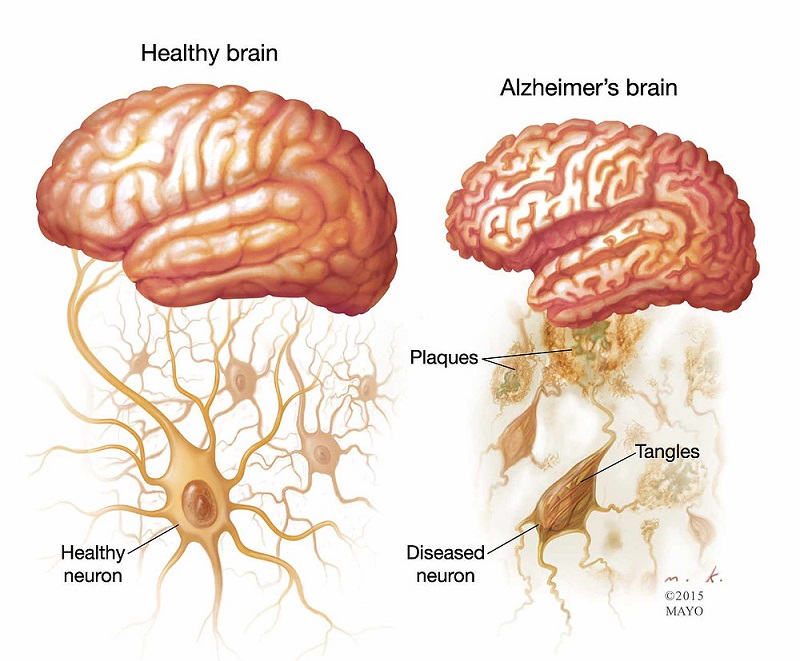
Alzheimer’s disease is more than just age-related memory loss; it is a progressive neurodegenerative disorder characterized by the accumulation of Amyloid-beta plaques and Tau tangles in the brain. Recognizing physical and behavioral symptoms across different stages is crucial for timely intervention and improving the patient’s quality of life.
1. Pre-dementia Stage: The Subtle Onset
During this phase, symptoms are often mistaken for normal aging or stress. However, the key difference lies in the repetitive nature and gradual decline of cognitive functions:
- Short-term Memory Impairment: Difficulty recalling recent events or absorbing new information.
- Executive Dysfunction: Reduced ability in planning, abstract thinking, or managing personal finances.
- Mild Mood Changes: Increased apathy or a loss of interest in long-standing hobbies.
2. Mild to Moderate Stage: The Progression of Clinical Symptoms
As damage spreads within the cerebral cortex, symptoms begin to directly impact communication and motor skills:
- Language Disorders (Aphasia): Patients struggle to find words, experience a shrinking vocabulary, and lose the ability to read or write fluently.
- Apraxia: Coordination issues become apparent. Patients may struggle with familiar tasks like buttoning a shirt or using eating utensils.
- Agnosia: Forgetting past events or failing to recognize common objects and places.
3. Severe Stage: Full Dependence on Care
This stage marks widespread neuronal damage, leading to an almost total loss of vital functions:
- Behavioral and Psychiatric Symptoms: Wandering, hallucinations, irritability, or aggression due to loss of emotional control.
- Severe Motor Decline: Muscle atrophy, difficulty walking, high risk of falls, and eventually becoming bedridden.
- Loss of Communication: Language is reduced to single words or a complete loss of speech. Patients require 24/7 assistance for basic needs like eating and personal hygiene.
Why Early Detection Matters
Identifying symptoms early allows families to prepare better caregiving strategies and access treatments that may slow disease progression. At DOIT Scientific, we are committed to raising awareness and providing scientific solutions for proactive brain health monitoring.