
Alzheimer’s Disease (AD) has long ceased to be a private family matter. From a macro perspective, it is a public health crisis quietly threatening the stability of global healthcare systems and economies. At DOIT Scientific, we recognize Alzheimer’s as a “silent pandemic” that demands serious investment in early diagnostic technology to mitigate social and economic damage.
1. The Stark Reality of Mortality Statistics
Alzheimer’s is a leading cause of death that remains under-invested compared to other major pathologies.
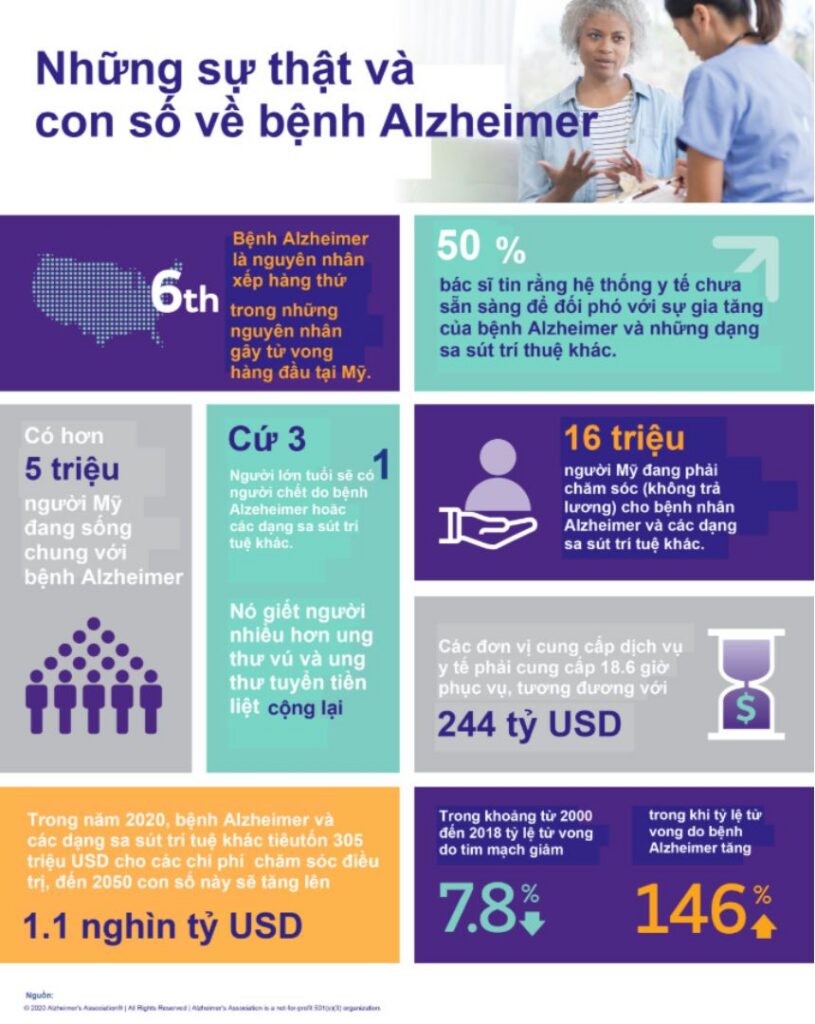
- The Mortality Paradox: While modern medicine has successfully reduced cardiovascular mortality by 7.8% (between 2000-2018), Alzheimer’s mortality has surged by 146% in the same period.
- Greater Threat than Cancer: Statistics indicate that 1 in 3 seniors dies with Alzheimer’s or another form of dementia. This surpasses the combined death toll of breast and prostate cancers.
2. Challenges to Healthcare and Economic Systems
The impact of Alzheimer’s scales from national budgets to personal household finances:
- Enormous Care Costs: In 2020, the global cost of treating dementia ran into hundreds of billions of dollars. By 2050, this figure is projected to reach $1.1 trillion, creating unprecedented financial strain.
- System Unreadiness: Approximately 50% of medical professionals express concern that current infrastructure is inadequate to cope with the rapid increase in Alzheimer’s cases over the coming decade.
3. The Invisible Burden: Unpaid Caregivers
A significant portion of the cost of Alzheimer’s does not appear on hospital bills but in community labor. Millions of individuals are estimated to provide unpaid care for Alzheimer’s patients, leading to a decline in social labor productivity and directly impacting the mental health of the caregivers themselves.
4. Early Diagnosis: The Strategic Solution for Economic Mitigation
Why must we act now? Scientific evidence shows that early diagnosis through Biomarkers helps:
- Cost Savings: Early intervention reduces hospitalization rates and delays the time when patients become fully dependent on expensive inpatient care.
- Improved Quality of Life: It allows patients to maintain autonomy longer, easing the pressure on relatives and families.
- Strategic Planning: It enables society and families to best prepare financially and psychologically for the future.
Conclusion: Alzheimer’s is a formidable challenge, but it can be managed through early preparation based on accurate scientific evidence. It is time to consider brain health screening an essential part of modern healthcare management.