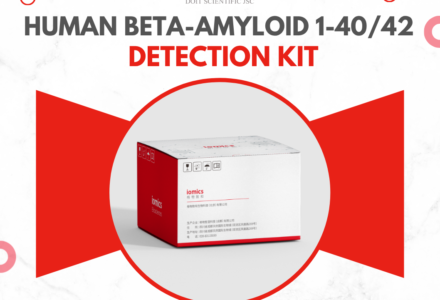
Modern medicine is witnessing a historic turning point in the approach to Alzheimer’s Disease. The diagnostic process, once heavily reliant on neuropsychological tests and clinical observation, has been replaced by objective standards: Biomarkers. Today, identifying the disease is no longer about estimation; it is about precise molecular evidence found in the blood.
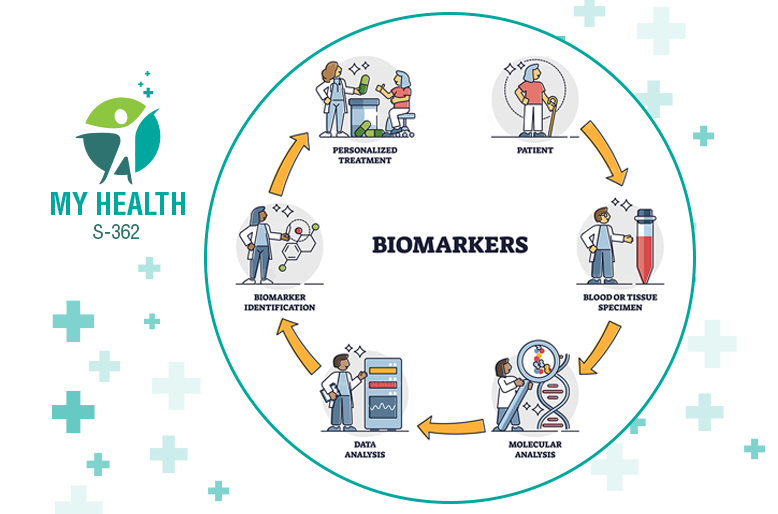
1. p-tau217: The New “Gold Standard” in Blood Testing
Among various biomarkers, p-tau217 (Tau protein phosphorylated at position 217) has emerged as the most optimal and sensitive indicator.
- Earliest Detection: p-tau217 is the biomarker that rises earliest and most consistently, even during the preclinical stage (before symptoms appear).
- Superior Accuracy: Clinical studies show that p-tau217 blood tests offer accuracy comparable to Amyloid PET scans or cerebrospinal fluid (CSF) testing.
- Streamlining the Process: Utilizing p-tau217 can reduce the need for invasive and expensive tests by 80-90%, making the diagnostic pathway simpler, more affordable, and more accessible.
2. NfL: Differentiating and Assessing Damage Severity
While p-tau217 confirms the nature of Alzheimer’s, NfL (Neurofilament Light chain) serves to assess the “rate of destruction” within the nervous system.
- Comprehensive Damage Marker: NfL reflects the degree of axonal degeneration. Its presence in the blood is direct evidence that brain cells are being damaged.
- Differential Diagnosis: When combined with p-tau217, NfL assists clinicians in accurately distinguishing Alzheimer’s from other forms of neurodegeneration, such as Frontotemporal Dementia (FTD) or Dementia with Lewy Bodies (DLB).
3. Shortening the Diagnostic “Silence”
One of the greatest hurdles for Alzheimer’s patients has been diagnostic delay, which typically lasts 20 to 50 months from the onset of first symptoms.
Integrating Biomarker blood tests into routine health screenings helps:
- Intervene during the “Golden Window”: Detecting the disease before severe brain damage occurs, opening optimal opportunities for new therapeutic interventions.
- Personalized Treatment: Based on biomarker concentrations, physicians can decide on therapies and monitor patient responses with high precision.
Conclusion: The Future is Within Reach
At DOIT Scientific, we believe that biomarker-based diagnosis is no longer a future concept—it is the standard of today. Shifting from symptom-based to pathology-based (Biomarker-based) diagnosis is the key to effective Alzheimer’s management, bringing hope and a better quality of life to patients and their families.